
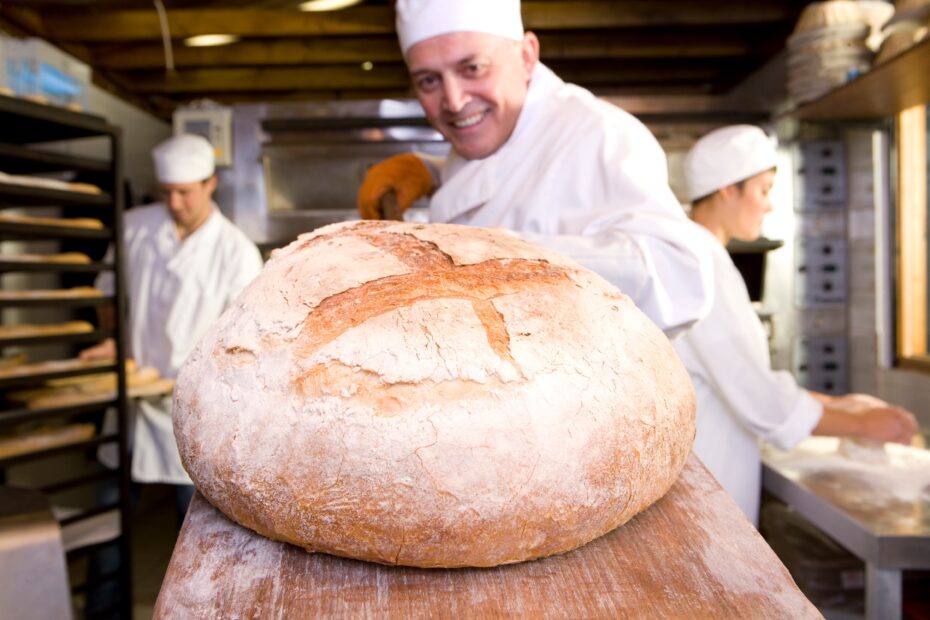
Italy’s Bread Is More Than Food
In Italy, bread isn’t just a side dish. It’s memory, ritual, and territory—often baked in the same way for hundreds of years.
Unlike the uniformity of commercial loaves found elsewhere, Italian bread is deeply regional. Every valley, every town, every kitchen has its own interpretation of what bread should be: its texture, its flour, how it’s baked, and when it’s eaten.
From the crunchy spirals of Ferrara to the golden rounds of Altamura, bread in Italy is an edible map of the country’s history and geography.
What Makes Italian Bread So Regional?
• Geography and Climate
Italy’s north favours rye, corn, and dark breads shaped by Alpine winters. The south, rich in durum wheat, produces bold, rustic loaves perfect for storing in heat.
• Local Grains and Ingredients
Durum wheat in Puglia. Chestnut flour in Tuscany. Olive oil in Liguria. Even the water changes the taste.
• Centuries of Cultural Influence
Austrians brought the michetta to Milan. Arab influence on Sicilian semolina breads. Shepherds shaped Sardinia’s crisp pane carasau.
• Bread as Daily Anchor
In many regions, bread is not just served — it’s part of the identity. It marks rituals: holy days, harvests, even mourning.

7 Regional Italian Breads You’ve Probably Never Heard Of
These aren’t supermarket staples. These are local legends:
1. Pane di Altamura (Puglia)
This golden, crusty loaf is DOP-protected and made only with local durum wheat. Its thick crust lets it last for days without going stale.
Where to try: Bakeries in Altamura town or Bari countryside.
Why it matters: Known since the Roman Empire. Horace even wrote a verse about it.
2. Coppia Ferrarese (Emilia-Romagna)
A twisted, crunchy bread with a slight chew, originally shaped like a cross to represent fertility. It pairs beautifully with cured meats and soft cheeses.
Where to try: Historic bakeries in Ferrara.
Why it matters: Registered as a protected regional product (IGP).
3. Pane Carasau (Sardinia)
Thin, crisp, and round, this “music paper bread” was once carried by shepherds during long journeys. It can be eaten dry or soaked in broth with tomato and egg (pane frattau).
Where to try: Sardinian villages like Nuoro or Orgosolo.
Why it matters: A symbol of Sardinia’s resilience and simplicity.
4. Michetta (Lombardy)
Hollow and airy, this Milanese roll has Austrian origins from the 19th century. It’s the perfect base for a quick panino.
Where to try: Traditional panifici in Milan.
Why it matters: Its lightness reflects Milan’s fast-paced, urban energy.
5. Torta al Testo (Umbria)
A rustic, griddled flatbread traditionally cooked on a stone called “testo.” Stuff it with sausage, greens, or stracchino cheese.
Where to try: Street food stands in Perugia or Gubbio.
Why it matters: It represents the rural creativity of central Italy.
6. Pane Nero (Val d’Aosta)
Made from rye and dark grains, often baked in communal ovens. This dense bread kept Alpine villages fed through snowy months.
Where to try: Village bakeries around Aosta.
Why it matters: Still baked once a year in wood ovens for festivals.
7. Pane Cafone (Campania)
Thick-crusted, chewy interior, baked in wood ovens. A Naples-area staple that turns a tomato into a meal.
Where to try: Countryside towns near Naples, like Caserta or Benevento.
Why it matters: It’s the humble companion to southern Italy’s bold flavours.

Bread as Cultural Experience
Travelers often rush past bread baskets in Italy. But slowing down and paying attention reveals how much bread can teach you.
- Visit a family-run panificio at 6 a.m.
- Learn why some loaves are only baked at Easter.
- Try spreading ricotta on warm pane nero in the Alps.
- Take part in a baking workshop in rural Umbria.
Bread connects you to stories you won’t find in museums.
At Maestro Discover Italy, we design itineraries that go beyond the obvious.
Italian bread is never just one thing. It can be rough or soft, round or flat, sweet or savoury. But it always has a past.
So the next time you tear into a crusty loaf in Italy, pause. Ask what it is. Where it came from. Who baked it?
Because in Italy, even bread is a masterpiece.