
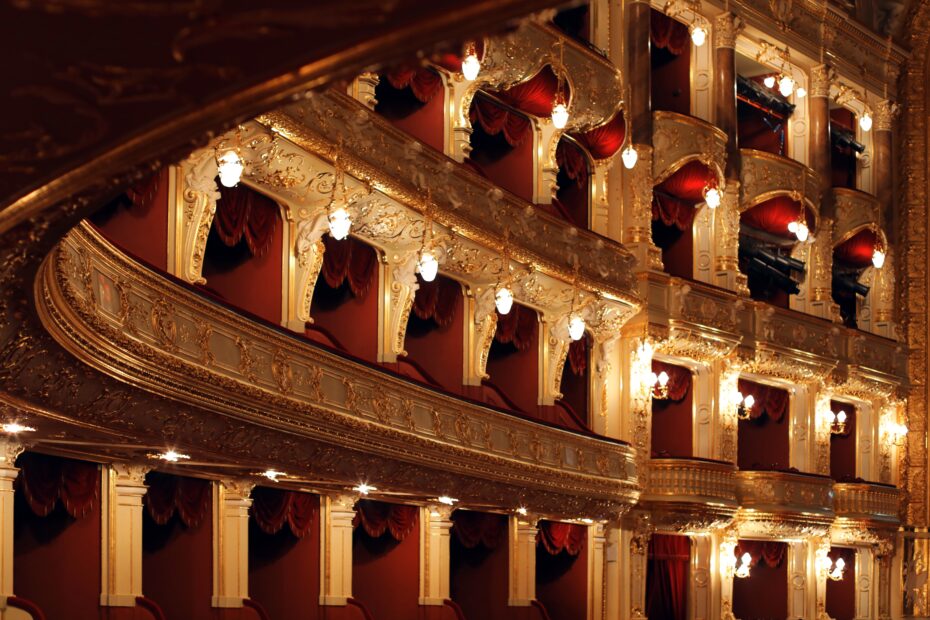
Italy has given the world opera, stagecraft, and some of the most stunning theatres ever built. But while many performance halls fade into history, Italy’s oldest theatres are still alive, still performing, and still welcoming visitors.
From Baroque brilliance in Naples to Renaissance geometry in Vicenza, these venues are more than architectural landmarks; they’re living symbols of how performance shaped Italy’s identity.
Whether you’re an opera lover, a design enthusiast, or simply curious about Italy’s hidden cultural gems, these are the places where stories have echoed for centuries.
Teatro di San Carlo – Naples
Opened in 1737, Teatro di San Carlo in Naples is considered the oldest continuously active opera house in the world. Its grandeur is immediately striking: deep red velvet seats, glittering chandeliers, and a gilded royal box that once welcomed kings and queens.
San Carlo isn’t just old, it’s alive. Still hosting operas, ballets, and symphonic performances today, the theatre is a cornerstone of Naples’ cultural life. For a more intimate experience, visitors can book a backstage tour that reveals hidden costume rooms and centuries-old archives.
Teatro Olimpico – Vicenza
Step into Teatro Olimpico and you step into a vision from the Renaissance. Designed by Andrea Palladio, one of Italy’s most revered architects, this theatre opened in 1585 and was built entirely in masonry, an architectural first.
Its permanent stage set, a stunning trompe-l’œil of a Roman cityscape, has never changed. It creates a powerful illusion of depth and timeless grandeur. Although performances here are rare and often seasonal, they offer a rare opportunity to watch classical works come to life in a world heritage masterpiece.
Teatro La Fenice – Venice
“La Fenice” means “The Phoenix”, a fitting name for a theatre that has burned down and been rebuilt more than once. First opened in 1792, La Fenice is Venice’s most iconic opera house, known not only for its ornate interiors but for the world premieres it has hosted, including works by Verdi and Bellini.
Today, it remains a vibrant part of Venice’s artistic scene. If you’re attending a performance, aim for a top balcony seat—not just for the acoustics, but for a sweeping view of the gilded stage and chandeliered ceiling.
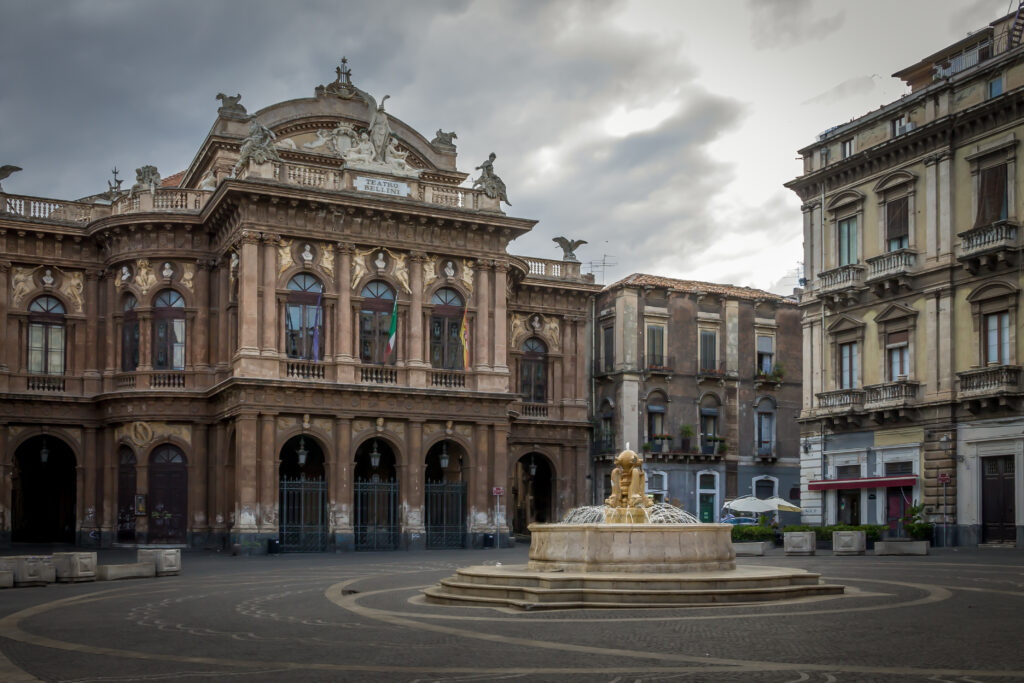
Teatro all’Antica – Sabbioneta (Lombardy)
Built in 1588 in the tiny Renaissance town of Sabbioneta, Teatro all’Antica is Europe’s first free-standing theatre. Unlike other theatres of the era built into palaces or churches, this one stands on its own, a marvel of Mannerist design.
The theatre is smaller and more intimate, with wooden interiors and a uniquely open ceiling. Though performances are infrequent, visiting this UNESCO-listed gem offers a quiet, profound encounter with early modern theatre.
Teatro della Pergola – Florence
Florence’s Teatro della Pergola, opened in 1656, was the first Italian theatre to feature a proscenium arch, revolutionising stage design and audience experience. Its horseshoe-shaped interior has hosted composers from Mozart to Puccini.
While the architecture reflects classic Florentine elegance, the programming today embraces contemporary theatre and new voices. If you’re in Florence, this is where the past and present meet under one frescoed ceiling.
Teatro Argentina – Rome
Built in 1731, Teatro Argentina stands on the site where Julius Caesar was assassinated—a layered piece of Roman history in every sense. The theatre has evolved over the centuries, from neoclassical elegance to avant-garde experimentation.
Today, it remains a cultural hub for Romans, offering plays, political satire, and emerging talent. A performance here connects the audience not only to Italian theatre but to the drama of Roman times itself.
Why Visit These Theatres?
These historic theatres are not frozen in time. They are alive with creativity, echoing with music, dialogue, and centuries of applause.
You don’t just watch a show. You enter a space where emperors, composers, and revolutionaries once sat.
Let Maestro Discover Italy take you deeper, beyond the stage, into the heart of performance.
Ready to Step Inside History?
We create tailored cultural itineraries that bring you behind the curtain of Italy’s great theatres. With local guides, backstage access, and curated performances, you won’t just see Italy.
You’ll feel it.